Have Any Question?

(310) 500-6196

Our Working Hours?

Mon - Sat: 9.00 - 5:00pm

Visit Us Daily

860 Via De La Paz, Suite E-1
Pacific Palisades, CA 90272

Previous Honorees

We are grateful to have leadership team filled with inspiring and dedicated members with a broad range of experience.

WBMF-monochrome-white

This Year's Nominees

The Beacon Award is presented to individuals who have demonstrated extraordinary courage and dedication for increasing awareness about neurological diseases, and for patients and their families who have exceeded expectations in fighting a neurological disorder with unprecedented courage. The Beacon Award identifies remarkable individuals who set the highest standards for increasing awareness of, and fighting, neurological diseases.

The Humanitarian Award is given to physicians and scientists who have contributed significantly to survival and quality of life of patients across the Globe.

The Pioneer in Technology Award is presented to the trail blazing companies and their CEOs/presidents who have facilitated the development of pioneering technologies through interdisciplinary approaches that have impacted diagnostics, treatment, and healthcare delivery in unprecedented ways.

The Pioneer in Medicine Award is presented to individuals who have significantly contributed to the scientific advancement in the fields of medicine and image guided therapy through a multidisciplinary approach. Their groundbreaking contributions have made development of state-of-the-art technology and scientific discovery a reality.

The Pioneer in Healthcare Policy Award is presented to lawmakers who have demonstrated visionary and crossdisciplinary approaches to introducing laws that have contributed to the advancement of science, technology, education, and medicine. They have paved the way to better integration of such advancements in other fields, like medicine and neuroscience. These lawmakers champion better healthcare for all.

The Golden Axon Leadership Award is presented to individuals outside of the medical community who inspire with good will and an enthusiastic interest in science, technology and medicine. Named for the neuron cell fiber that carries outgoing messages to other target cells, the founding principle of the Axon Award is to recognize a highly regarded individual in the public sector who helps raise awareness and funding of WBMF and its mission in the community via fundraising event(s) and activities.

The WBMF Young Investigator’s Initiative is designed to recognize promising young scientists performing work in the brain sciences relevant to the World Brain Mapping Foundation. While this year’s awardees will not be receiving any financial incentives, this recognition will be a stepping stone for future recognition within and beyond the WBMF’s wide ranging collaborative partners.

The WBMF Student Service and Leadership Award is given to recognize excellence and commitment to dedicated fellows, interns, and students who have contributed to the advancement of medicine, specifically the neurosciences.

Late Robin Sidhu (1988 – 2015), a young ebullient science driven and information technology (IT) savvy person, died of an accident at an early age. His mission to accomplish in-depth understanding of human mind and health remained incomplete due to his early departure but his legacy will remain through supporting young innovative minds in science through this award.

Beacon of Courage and Dedication Award

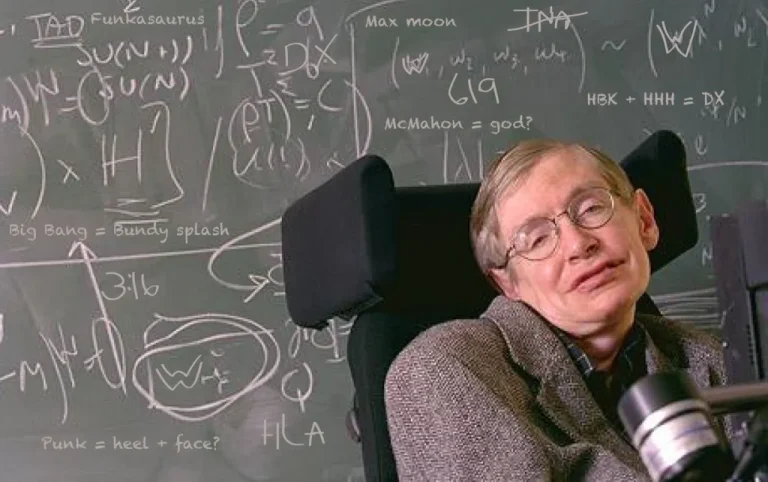
Stephen Hawking

January 6, 2025
Professor Stephen Hawking Beacon of Courage and Dedication Award

Stephen William Hawking (8 January 1942 – 14 March 2018) was an English theoretical physicistcosmologist, and author who, at the time of his death, was director of research at the Centre for Theoretical Cosmology at the University of Cambridge.[6][17][18] Between 1979 and 2009, he was the Lucasian Professor of Mathematics at the University of Cambridge, widely viewed as one of the most prestigious academic posts in the world.[19]

Hawking was born in Oxford into a family of physicians. In October 1959, at the age of 17, he began his university education at University College, Oxford, where he received a first-class BA degree in physics. In October 1962, he began his graduate work at Trinity Hall at the University of Cambridge where, in March 1966, he obtained his PhD degree in applied mathematics and theoretical physics, specializing in general relativity and cosmology. In 1963, at age 21, Hawking was diagnosed with an early-onset slow-progressing form of motor neurone disease that gradually, over decades, paralysed him.[20][21] After the loss of his speech, he communicated through a speech-generating device initially through use of a handheld switch, and eventually by using a single cheek muscle.[22]

Hawking’s scientific works included a collaboration with Roger Penrose on gravitational singularity theorems in the framework of general relativity, and the theoretical prediction that black holes emit radiation, often called Hawking radiation. Initially, Hawking radiation was controversial. By the late 1970s and following the publication of further research, the discovery was widely accepted as a major breakthrough in theoretical physics. Hawking was the first to set out a theory of cosmology explained by a union of the general theory of relativity and quantum mechanics. He was a vigorous supporter of the many-worlds interpretation of quantum mechanics.[23][24]

Hawking achieved commercial success with several works of popular science in which he discussed his theories and cosmology in general. His book A Brief History of Time appeared on the Sunday Times best-seller list for a record-breaking 237 weeks. Hawking was a Fellow of the Royal Society, a lifetime member of the Pontifical Academy of Sciences, and a recipient of the Presidential Medal of Freedom, the highest civilian award in the United States. In 2002, Hawking was ranked number 25 in the BBC‘s poll of the 100 Greatest Britons. He died in 2018 at the age of 76, after living with motor neurone disease for more than 50 years.

Wikipedia

Nicole Hockley & Mark Barden

January 6, 2025

Nicole Hockley chose to transform unspeakable grief and anguish into action after her youngest son, Dylan, was murdered in his first-grade classroom during the Sandy Hook Elementary School tragedy.

As the co-founder and CEO of the Sandy Hook Promise Foundation, Nicole works every day to protect children from gun and school violence.

Sandy Hook Promise Foundation is a national nonprofit organization dedicated to educating and empowering youth and adults to prevent violence in schools, homes, and communities. Under Nicole’s leadership, the research-driven Know The Signs violence prevention programs were created and are now available to schools at no cost. More than 18.5 million have participated in these life-saving programs in 23,000+ schools and youth organizations nationwide. As a result, countless acts of violence have been averted – including at least 15 planned school attacks – saving precious lives and helping youth get much-needed mental health support.

Nicole is a leading voice on school safety and gun violence prevention, rising above the political divide over gun control, focusing instead on helping young people get the help they need. She is a sought-after keynote speaker and commenter, sharing expertise on recognizing the warning signs of someone who may be in crisis or at risk of harming themselves or others, and how to safely intervene. She has presented several TEDx Talks, her opinion editorials have been published by NewsweekCNN, USA Today, and InStyle, and her commentary has been featured in CNN, MSNBC, Newsy, ABC, CBS, and NBC news coverage, among countless other media outlets.

Mark Barden is co-founder and CEO of the Sandy Hook Promise Action Fund. Since the tragic murder of his son, Daniel, during the mass shooting at Sandy Hook Elementary School on December 14, 2012, Mark has dedicated himself to sparing other families the pain of losing children to gun violence.

Mark believes that thoughtful, sincere dialogue centered on protecting youth will lead us to shared common ground and nonpartisan solutions everyone can agree with. These include expanded background checks, secure storage of firearms, extreme risk protection laws, and other measures that are proven to prevent gun violence.

Under his leadership, the Sandy Hook Promise Action Fund successfully advances a holistic policy platform that promotes gun safety, youth mental health, and violence prevention education. The organization works at the state and federal level to pass nonpartisan legislation through inclusive partnerships, diverse grassroots education, and community mobilization. This includes writing and passing the Mental Health Parity Act under President Obama; the Students, Teachers, and Officers Preventing (STOP) School Violence Act under President Trump; and Suicide Training and Awareness Nationally Delivered for Universal Prevention (STANDUP) Act under President Biden. In the summer of 2022, the Sandy Hook Promise Action Fund helped a deeply partisan Congress come together to pass the “Bipartisan Safer Communities Act,” the first gun safety package in nearly 30 years, which included enhanced background checks for buyers under the age of 21, partially closing the dating loophole, funding to support states implementing extreme risk protection orders, and additional funding for mental health services and school safety. Each piece of legislation passed through Congress with bipartisan support helps ensure that cost is never a barrier to school violence prevention.

Montel Williams

January 6, 2025

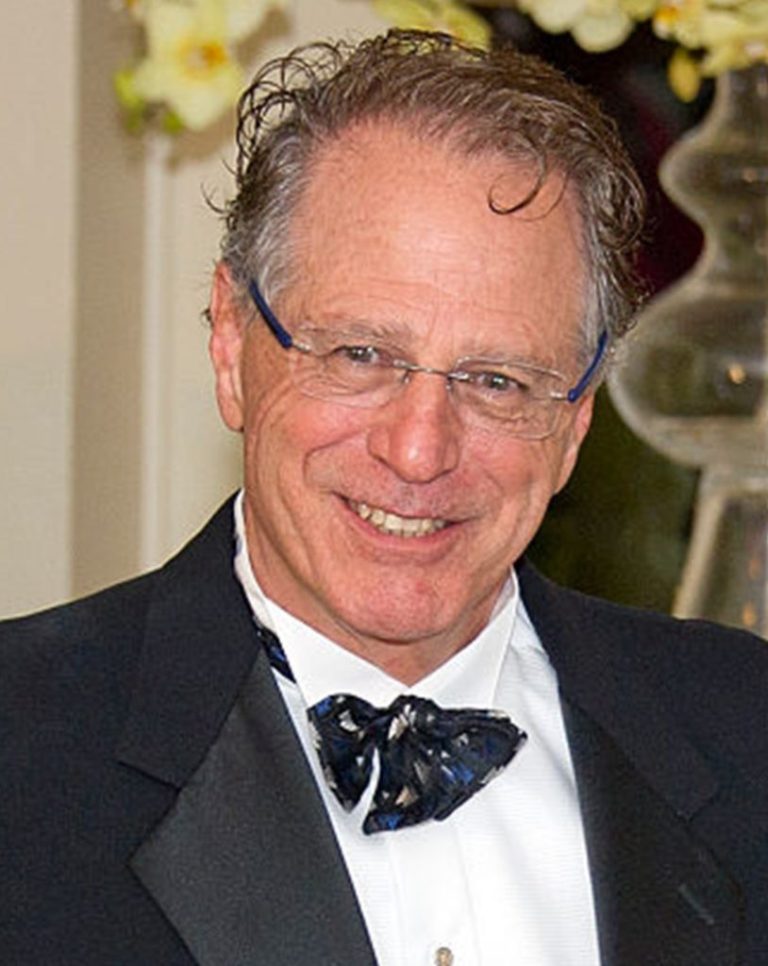
Minoru Freund

January 6, 2025

L. Tammy Duckworth

January 4, 2025

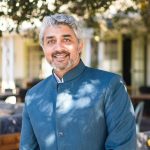
Poonacha Machaiah

January 4, 2025

Hello, I’m
Poonacha Machaiah

SOCIAL ENTREPRENEUR

Poonacha Machaiah has over 20 years of global experience as a successful serial entrepreneur and business leader in Fortune 100 companies. Poonacha is among the new breed of emerging social entrepreneurs who are using approaches from the commercial world and employing technology to tackle social and environmental problems. Today he is levering his vast global experience and technology domain expertise to bring to communities transformative educational solutions and ubiquitous access to the masses via mobility. Poonacha has co-founded “Jiyo” a wellbeing platform along with internationally renowned physician and author Deepak Chopra M.D. He is founder the founder and CEO of ‘ABOVE – A Bunch of Versatile Entrepreneurs’, a company he had founded in 2008. ABOVE is a company that has delivered industry-leading solutions in the Education, Mobility, Media and Entertainment segments. ABOVE has launched one of the pioneering Social TV/collaboration platforms TangoFX and recently launched ABOVE Learning Platform.

Poonacha is also the co-founder of the social enterprise ‘WeightLess Project’, a global movement to address the challenges that plague our communities i.e. lifestyle disorders related to obesity/overweight and hunger/malnutrition. He was instrumental in the founding of India’s leading social media startup along with internationally acclaimed film director Shekhar Kapur and Oscar award winning music composer AR Rahman. During his tenure as CEO, Qyuki was been voted as one of India’s coolest startups (Business Today) and also featured in Fortune (India) and Fast Company. Through the majority of his career, he has held senior leadership positions in Global Sales & Business Development with leading MNC’s like Sasken, Motorola, Visionael, Iridium, and Dimension Enterprises – a leading Internet Data Center services startup in the Washington DC area, which was then acquired by Nortel Networks in 2000. He is on the advisory board of Chopra Foundation and International mentor at XMedia Lab, an internationally acclaimed digital media think tank. Prior to his return to India in 2007, he has been an active member of the Vienna Volunteer Fire Department and Joy of Sports in the Washington DC area. Poonacha holds an MBA from the College of William and Mary in Virginia and a Bachelor of Science in Computer Science and Engineering from the B.M.S. College of Engineering in Bangalore, India.

Humanitarian Award

Kenneth Fisher

January 6, 2025

Rocco Armonda

January 4, 2025

See the Video: HERE

Henry Marsh

January 4, 2025

See the Video: HERE

Geoffrey Ling

January 4, 2025

Colonel honored with humanitarian award from the Brain Mapping Foundation for work with TBI
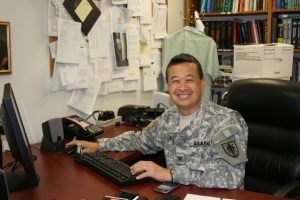
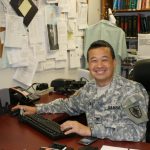
FALLS CHURCH, VA (June 11, 2012) — U.S. Army Colonel Geoffrey S. F. Ling, M.D., Ph.D., who has been at the cutting edge of brain injury research since the mid 1990s was awarded the Humanitarian Award from the Brain Mapping Foundation in a ceremony in Toronto, Canada earlier this month. Ling is a professor and the interim Chairman of the Department of Neurology at the U.S.’s only military medical school–the Uniformed Services University (USU) and also the Program Director at the Defense Advanced Research Projects Agency (DARPA).

Ling was the Army’s only neuro-intensive care specialist for many years. Therefore, he has had the opportunity to remain at USU since 1995. His expertise was needed to teach and train the medical students.

“Colonel Ling is a remarkable scientist and a compassionate physician who has helped train the finest doctors at USU,” said Ret. Vice Admiral Adam S. Robinson, Director of GPS Program of the Brain Mapping Foundation.

“I am blown away by receiving this award,” said Ling who is regarded by many as the Army’s premier subject matter expert on traumatic brain injury (TBI). “It was totally unexpected and is a tremendous honor.”

Ling led the building of the neuro-trauma laboratory at USU in the 90s where they primarily studied TBI. He has deployed multiple times to Afghanistan where he treated countless service members and civilians. He said that Operations Iraqi and Enduring Freedom made TBI a big deal due to the nature of the injuries coming from those theaters.

“The wars gave the study and treatment of TBI legs,” said Ling. “But, I had already been studying it for years.”

Ling who is officially assigned to a critical care billet at the USH has published more than 150 publications. He also wrote the TBI chapter in the Cecil Textbook of Medicine, which is regarded by many in the medical field as “the granddaddy” of general internal medicine texts. He also helped author the Department of Defense/Veteran’s Administration’s (DOD/VA) guidelines on TBI. Additionally, because of his background in intensive care, Ling also has the opportunity to provide direct patient care. One of his first TBI patients in Afghanistan was a little girl who had fallen off of a roof.

“That’s one of the great things that I get to do.” he said. “I have the ability to actually take care of patients,” said Ling.

“We’ve created a system of care for TBI that is the best in the world,” said Ling. “I’m very proud of the military system of care for TBI. The military does this better than anybody,” said Ling.

Ling gave this example: “Take a kid who plays soccer. The boy gets hit in the head. He’s taken to a local hospital. He may or may not see a doctor. They may send him home without a scan. Three or four days later, the kid doesn’t feel right. He’s having headaches. Nobody knows what to do.”

On the military side, Ling said, the same kid will undergo a full neurology screening, be seen at a concussion care center, and receive training on mild TBI.

“Our model should be the standard,” said Ling. “We take care of TBI patients better than any hospital in the U.S.”

Ling also practices at Johns Hopkins Hospital where he did his neuro-intensive care training.

“Hopkins says we [the military] are the best,” said Ling. “We want everybody to adopt our system. TBI requires a system of care. The military has that system,” he said.

Ling was on all four of former Chairman of the Joint Chiefs of Staff Admiral Michael Mullen’s “Gray Teams” that were established to look at the state of TBI in the military. Additionally, he was on the team of physicians who treated U.S. Representative Gabrielle Giffords who was shot in the head in 2011.

“Her primary doctor, Dr. Peter Rhee, was a former Navy Captain trauma surgeon. He got his experience on the ground in Fallujah, Iraq. He was totally in control and knew exactly what to do,” said Ling who expects Gifford’s condition to continue to improve. “She got the best military care for her brain injury at the hands of a military doctor,” he said.

Ling said that TBI has been around forever. But, gained prominence because of the lingering wars.

“It [TBI] was a problem asking for an answer,” he said. “So, I got involved.”

“The wars gave TBI traction within the DOD. That got us the resources we needed to manage this problem. The bottom line is it’s all about taking care of the wounded warfighter,” he said. “So, we were able to develop this system of care for TBI.”

Since the year 2000 more than 235,000 service members worldwide have been diagnosed with TBI, which is defined as a disruption of brain function resulting from a blow or jolt to the head or penetrating head injury. More than 60 percent of service members diagnosed with TBI are U.S. Army Soldiers. Ling said that TBI is treatable and the key to treatment is to seek help immediately.

Though the wars are winding down, TBI now has momentum and support from the DOD, according to Ling.

“The disease won’t go away, but neither will our system of care for the wounded warfighter,” said Ling. “And that’s the positive legacy of this [war].”

Ling said that the VA has become a great partner with the DOD in the treatment of TBI. Though the goal is to return as many to duty as possible, sometimes service members must be separated from the military. Because of the DOD/VA partnership, the transition from the military health care system to the VA health care system is smoother, he said.

“The war fighter will continue to get really good care for as long as they need it. The DOD/VA partnership is one that the American people can be quite proud of,” said Ling.

For more information on Col. Ling contact: Stephanie.abdullah@us.army.mil.

Ming Hsieh

January 4, 2025

Charlie Teo

January 4, 2025

See the Video: HERE

Pioneer in Technology Development Award

Steve Rusckowski

January 6, 2025

Mei Mei Hu

January 6, 2025

Mark Torchia

January 6, 2025

Mark L. Vachon

January 6, 2025

Louis Reese

January 4, 2025

Kevin Lobo

January 4, 2025

Pioneer in Medicine Award

Ron Kikinis

January 6, 2025

Skip Rizzo

January 6, 2025

Paul M. Thompson

January 6, 2025

See Biography: Here

Paul Thompson is a Professor in the Keck School of Medicine of USC. His team’s research projects focus on the neuroscience, mathematics, computer science, software engineering and clinical aspects of neuroimaging and brain mapping.

Paul Thompson directs the ENIGMA Consortium, a global alliance of 307 scientists in 33 countries who conduct the largest studies of 10 major brain diseases – ranging from schizophrenia, depression, ADHD, bipolar illness and OCD, to HIV and addictions on the brain. ENIGMA’s genomic screens of over 31,000 people’s brain scans and genome-wide data (published in Nature Genetics, 2012; Nature, 2015) have brought together experts from 185 institutions to unearth genetic variants that affect brain structure, disease risk, and brain connectivity. At USC, Dr. Thompson is a Professor of Neurology, Psychiatry, Radiology, Pediatrics, Engineering, and Ophthalmology, and Director of the ENIGMA Center for Worldwide Medicine, Imaging & Genomics – a $11M NIH Center of Excellence in Big Data Computing. Using worldwide medication screens, ENIGMA discovers factors that affect progression of Alzheimer’s disease and other dementias, schizophrenia, depression and childhood brain
disorders. One study unites teams from the Thai Red Cross, the US, and South Africa, and uses methods developed by Dr Thompson’s team (Nature, 2000) to study how treatments restore brain growth in HIV+ children. Dr. Thompson also directs the USC Imaging Genetics Center– a group of 40 scientists in Marina del Rey. His team created the first maps of Alzheimer’s disease and schizophrenia spreading in the living brain, and a method to track brain growth in children. Dr. Thompson has an M.A. in mathematics and Greek and Latin Languages from Oxford University, and a PhD in neuroscience from UCLA.

Collaborating with imaging labs around the world, Dr. Thompson and his students have published over 1,300 publications (h-index: 116) describing novel mathematical and computational strategies for analyzing brain image databases, for detecting pathology in individual patients and groups, and for creating disease-specific atlases of the human brain.

Recent work has discovered new structural and functional brain changes during brain development and degeneration, Alzheimer’s Disease and other dementias, schizophrenia and bipolar illness, HIV/AIDS, methamphetamine abuse, and autism. For many of these illnesses, Dr. Thompson’s Center is creating population-based tools to understand factors that resist them. New computational tools, developed in the lab, are used to map how these diseases spread in the living brain, and in drug trials and basic research studies.

Patrick Soon Shiong

January 6, 2025
See Video

Pantaleo Romanelli

January 6, 2025

Michael E. Phelps

January 6, 2025

Pioneer in Healthcare Policy Award

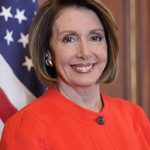
Nancy Pelosi

January 6, 2025

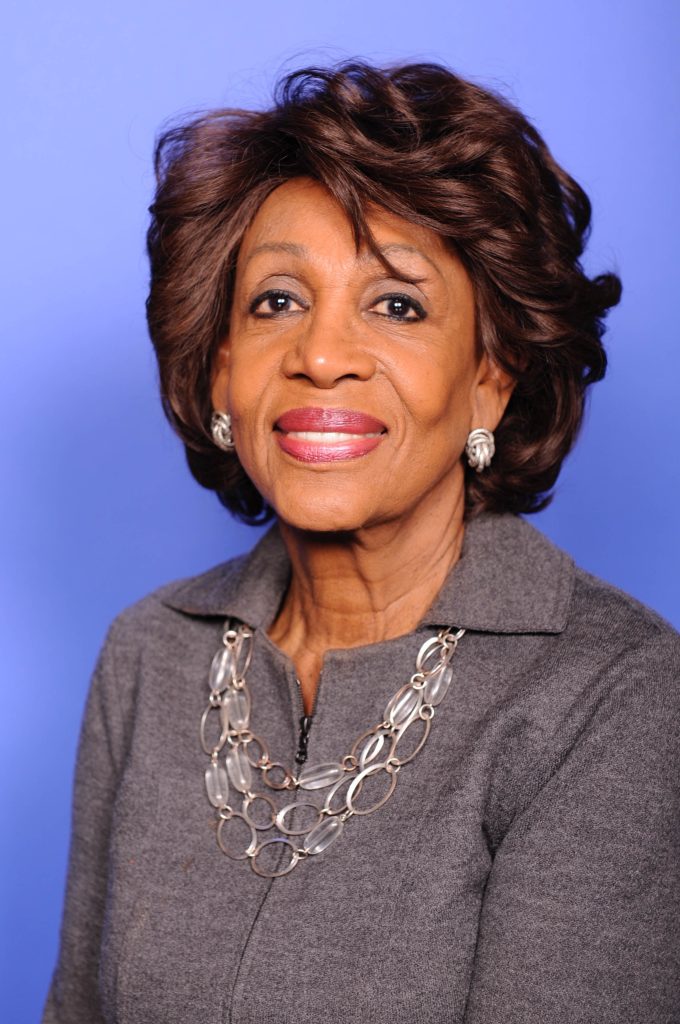
Maxine Waters

January 6, 2025
Leading Multispecialty Biomedical Association Presents Congresswoman Maxine Waters with its Prestigious 2015 Pioneer in Healthcare Policy Award

Society for Brain Mapping and Therapeutics (SBMT) and Brain Mapping Foundation (BMF) are the leading organizations, which created G20 World Brain Mapping Initiative Professor Stephen Hawking (Beacon of Courage and Dedication Award), Producer Tim Kring (golden Axon Award), Drs. Babak Kateb, Pantaleo Romanelli, Skip Rizo (Pioneer in Medicine Awards), Bill and Lee Stienwood (Humanitarian award) are amongst the 2015 SBMT award recipients.

WASHINGTON, May 20, 2015 /PRNewswire-USNewswire/ — 12th Annual World Congress of Society for Brain Mapping and Therapeutics was held at the Los Angeles Convention Center in March but the impact of this world class scientific program has lasting effect on the policy, prevention, diagnosis and the treatment of neurological disorders such as Alzheimer’s disease, Brain injury, Brain Cancer and psychiatric disorders.  Every year SBMT and Brain Mapping Foundation recognize policymakers who have significantly impacted prevention, diagnosis and the treatment of the Neurological disorder through pioneering legislations.  Senators Ted Kennedy, Harry Reid and Barbara Boxer, Congresswomen Gabrielle Giffords and McMorris Rodgers, Congressmen Blumenauer, Fattah and Moran are among the past recipients of this prestigious award.
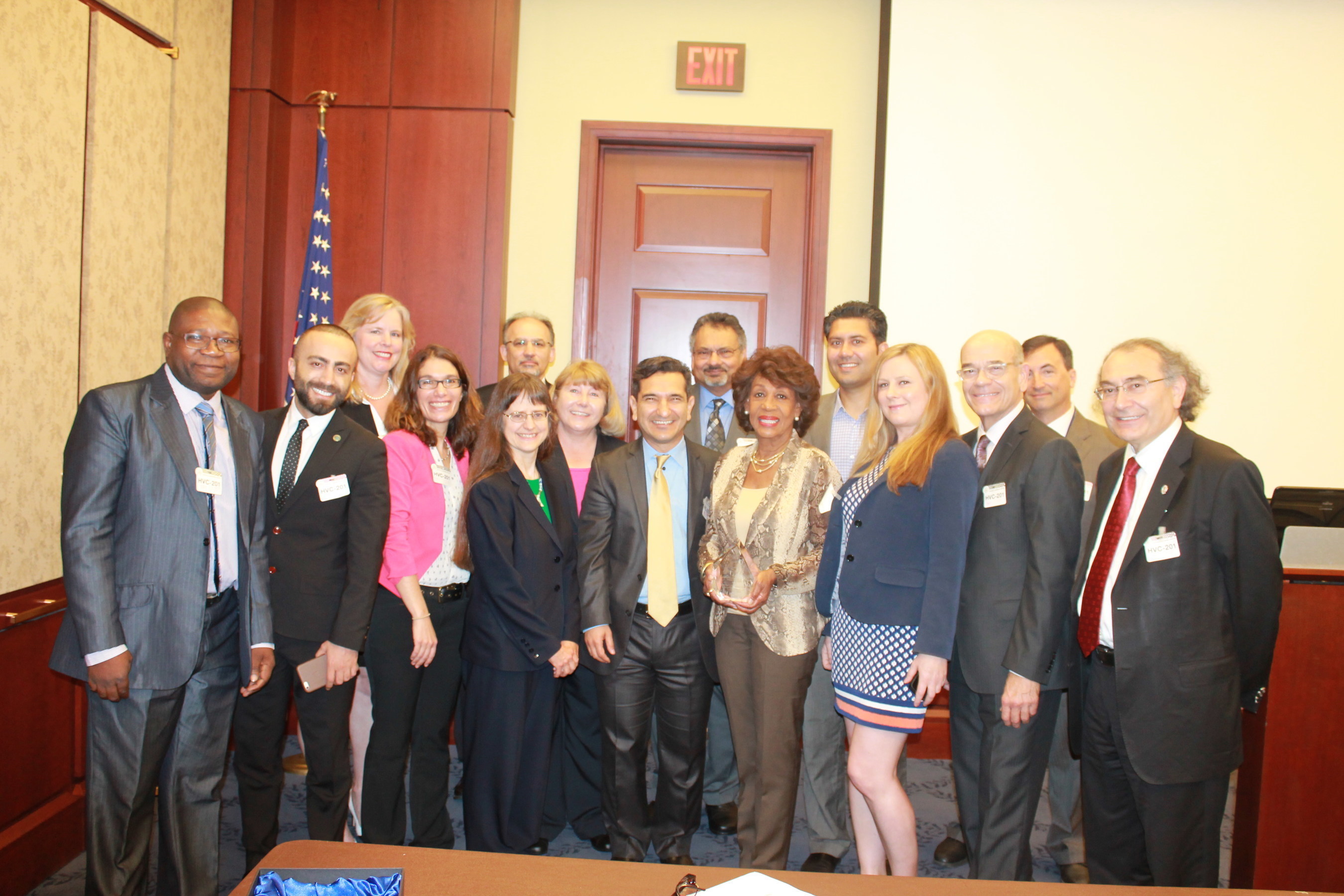
Left to right: Dr. Benjamin Aribisala (Nigerian delegate), Mr. Serdar Karagoz (Turkish delegate), Ms. Britt Massei, Dr. Michelle Espy (LANL), Ms. Kathleen Sengstock (Congresswoman Waters team), Dr. Mojtaba Zarie (Middle East Delegate), Dr. Nancy Sauer (Deputy Director of LANL), Dr. Babak Kateb (Chairman of SBMT), Congresswoman Waters, Dr. Dipen Sinha (LANL), Mr Partial Patel, Ms. Gow, Actor Robert Picardo (Neuroscience Advocate), Dr. Peter Basser (NIH) and Dr. Navzat Tarhan (Turkish Delegate).

In 2003 Congresswoman Waters introduced her first legislation on Alzheimer’s disease, which was aimed at creating a grant program to expand training and support services for families and caregivers of Alzheimer’s patients. Congresswoman Waters is also a champion of the Missing Alzheimer’s Disease Patient Alert Program, which is a small, cost-effective program aimed at helping local law enforcement officials quickly identify persons with Alzheimer’s disease who wander away from their homes and safely reunite them with their families.

In December of 2014, Congresswoman Waters in partnership with Congressional Task Force on Alzheimer’s disease including Co-Chair Christopher Smith, advocated for a budget increase for Alzheimer’s Research.  Her effort led to a $51 million increase in funding for Alzheimer’s research by President Obama in his budget proposal. This year, Congresswoman Waters has circulated a letter among her colleagues urging House appropriators to increase funding for Alzheimer’s research by $200 million in fiscal year 2016.  She has also introduced a bipartisan resolution to make Alzheimer’s Disease an urgent National Priority.

“Today we are recognizing one of the most influential members of the Unite States Congress who has impacted the care of millions of patients with Alzheimer’s disease through her pioneering legislation,” said Dr. Babak Kateb, Chairman of the Board of Society for Brain Mapping and Therapeutics, President of Brain Mapping Foundation, Director of National Center for NanoBioElectronics, Neuroscientist, Department of Neurosurgery, Cedars Sinai Medical Center.

The Society for Brain Mapping and Therapeutics has been on the forefront of scientific research and translation of advance technologies into clinical neuroscience by engaging scientists and engineers from NASA, Los Alamos National Labs and consortium of neurosurgeons, neurologists, radiologists, nanotechnologists, stem cell scientists and engineers.  The Society has been a great supporter of the Congresswoman’s vision and efforts.

“I want to thank the Society for Brain Mapping and Therapeutics for honoring me with this award,” said Congresswoman Waters.  “I also appreciate the Society’s commitment to improving our understanding of Alzheimer’s disease and other diseases affecting the brain.  The Society’s dedication to finding cures for these diseases will help us immensely in our collective efforts to alleviate human suffering.”

The award was presented to the Congresswoman at the 4th Annual Brain Mapping Day at the US Congress, Congress Visitor center, HVC 201 on May 19th 2015. The following was the scientific schedule of the 4th Annual Brain Mapping Day where the award was presented:

10:20am-10:30am: Overview of Los Alamos National Lab Technology and potential application in Brain Mapping and Therapeutics, Nancy  Sauer, Ph.D.Associate Director for Chemistry, Life, and Earth Sciences, Los Alamos National Laboratory

10:30am-10:40am: Ultrasonic Technology from Bomb to Brain Discovery, Dipen N. Sinha, PhD, Laboratory Fellow & Team Leader, Los Alamos National Laboratory

10:40am-10:50am: Neuroimaging at Los Alamos National Laboratory, Michelle Espy, PhD, Research Scientist & Team Leader, Applied Physics Lab, Los Alamos National Laboratory

10:50am-11:00am:  SBMT-South Africa Brain Mapping Initiative, The Honorable Monwabisi Bevan Goqwana, Ph.D., Member of National Assembly (Parliament) of South Africa

The program was moderated by Dr. Babak Kateb & Actor and Neuroscience Advocate, Robert Picardo and jointly sponsored by Congressional Neuroscience caucus, Brain Mapping Foundation, SBMT, National Center of NanoBioElectronics and Medtronic. Professors Benjamin Aribisala (Nigerian delegate) and Nevzat Tarhan and Mr. Serdar Karagoz (Turkish delegates) were amongst the SBMT members who presented the award to the honorable on behalf of the SBMT membership and board of directors.

Next year’s Annual World Congress of SBMT is scheduled for April 7-9, 2016 in Miami.

About SBMT:
WWW.WorldBrainMapping.Org

Media Contacts 

Bryan Aroz
Bryan.Aroz@WorldBrainMapping.org
Tel: 310-500-6196

Photo – http://photos.prnewswire.com/prnh/20150520/217391

SOURCE Society for Brain Mapping and Therapeutics

Kirsty Duncan

January 4, 2025

Robert N. Klein II

January 4, 2025

Ro Khanna

January 4, 2025

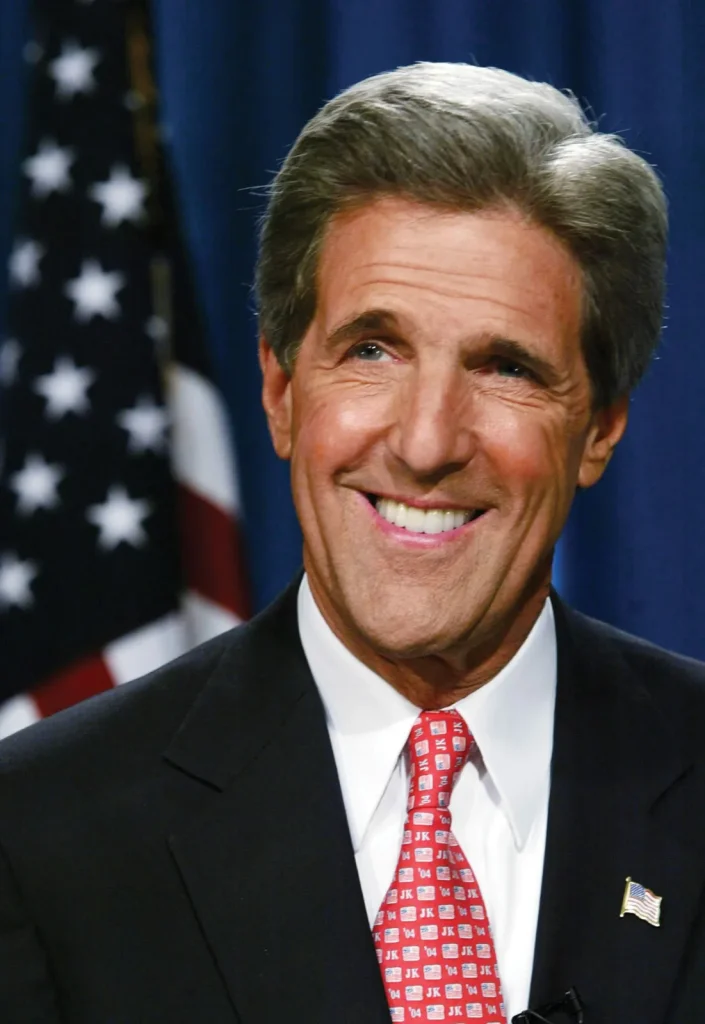
John Kerry

January 4, 2025

Golden Axon leadership Award

Saleem Abdulrauf

January 4, 2025

American physician specializing in neurosurgery in St. Louis, Missouri, who has helped develop high-flow brain bypass surgery, a less invasive procedure for treating intracranial aneurysm than methods used previously.

He is the Neurosurgeon-in-Chief at the Abdulrauf Institute of Neurosurgery. He is the Founding Professor and Chairman of the Department of Neurological Surgery at Saint Louis University School of Medicine and Director of the Center for Cerebrovascular and Skull Base Surgery at Saint Louis University Hospital in Saint Louis, Missouri.

Jeffrey C. Wang

January 4, 2025

Dr. Wang’s reputation for consistently providing excellent patient care, outstanding qualifications and experience has earned him immense respect from patients and physicians alike. He has had leadership roles in nationally prominent spine organizations, including the North American Spine Society and the American Orthopedic Association. He has also been appointed to the presidential line for the Cervical Spine Research Society.

Peter Gailey

January 4, 2025

Ross Joel

January 4, 2025

Ira Soebroto-Bullo

January 4, 2025

Chairwoman of WBMF Citizen Committee 2024.

Cheryl Rogers

January 4, 2025

Young Investigator Award

Reza Tadayon-Nejad

January 4, 2025

Michael E Wolf

January 4, 2025

Benjamin Aribisala

January 4, 2025

Debraj Mukherjee

January 4, 2025

Rahul Dev Jayant

January 4, 2025

Ajeet Kaushik

January 4, 2025

Student Service and Leadership Award

Lila Kendall

January 4, 2025

Melody Sadri

January 4, 2025

Mylena Asirian

January 4, 2025

Jemma Yoo

January 4, 2025

Amir Goodarzi

January 4, 2025

Josh Neman-Ebrahim

January 4, 2025

Robin Sidhu Memorial Young Scientist Award

Ruogu Fang

January 4, 2025